Aleppo soap, alum and eco detergents: your guide to natural care
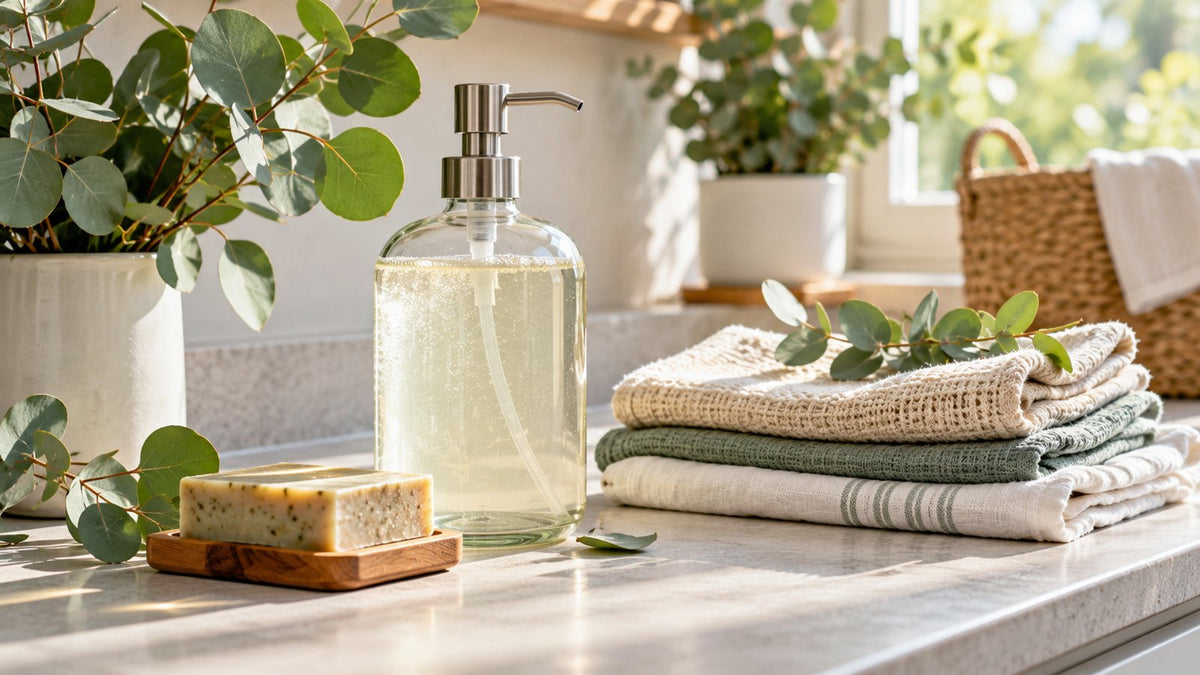
More and more people are choosing natural products for their skin and their home. But with so many different names, where do you start? Here is a clear guide to the most widely used products: Aleppo soap, potassium and ammonium alum, Marseille soap and eco-friendly detergents.
Aleppo soap: what it is and how to use it
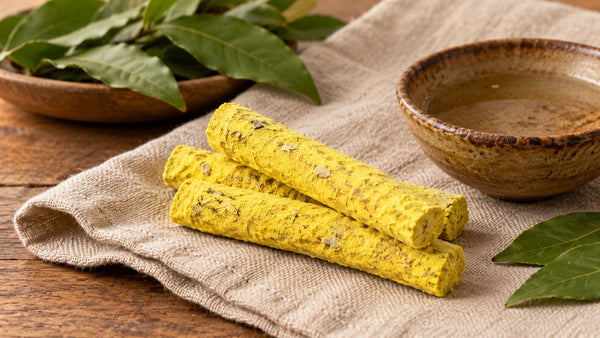
Aleppo soap is a traditional soap made with olive oil and bay laurel oil. The higher the percentage of laurel oil, the more intense and, at the same time, gentle it is. You can find the Aleppo soap with 25% laurel oil, which is softer, and the one with 70% laurel oil, which is more concentrated. It is used on the face, body and hair: wet it, work up a lather and rinse thoroughly.
Potassium and ammonium alum
Rock alum is a mineral that has long been used as a natural deodorant: it leaves a thin film of mineral salts on the skin. You can choose from the range of natural deodorants: from the Puro Mineral alum soap bar to the Puro Mineral stone. Wet the stone and glide it over clean, dry skin. For your feet there is also the alum foot bath powder.
Marseille soap and eco-friendly detergents
For laundry and the home, Marseille soap flakes are a versatile classic. Antica Lisciva is an eco-friendly cleaner for laundry and washable surfaces, while Bianco Naturale with active oxygen helps against stains without chlorine. Discover the whole range of eco-friendly detergents.
How to choose
A simple rule
- For the body: simple ingredients, few items on the label and light fragrances.
- For the home: biodegradable cleaners, reusable packaging and correct doses.
- For laundry: flakes or concentrated liquids to reduce waste and packaging.
Note: if you have very sensitive skin or known allergies, test on a small area first and ask your doctor or dermatologist for advice.
How to use Aleppo soap for hair and body
For the body, wet the soap and work up a lather between your hands, then massage gently. For the hair, rub the soap between your palms and apply the lather, then rinse thoroughly. If your hair feels a little dry, finish with a rinse of water and diluted apple cider vinegar. Keep the soap on a soap dish and let it dry between uses, so it lasts longer.
How to use alum
The alum stone is wetted and glided over clean, dry skin, especially under the arms. After use it should be rinsed and stored dry. It is not suitable for freshly shaved or irritated skin. The stones last a very long time, so the cost per use is low: a purchase that pays for itself over time and produces little waste, unlike spray bottles.
Tips for reducing plastic at home
- Choose solid soaps instead of liquid bottles.
- For laundry, use soap flakes or concentrated detergents in reusable packaging.
- Replace synthetic sponges with washable cotton cloths.
- Buy only the amount you use, to avoid waste.
Simple recipes for household cleaning
A DIY all-purpose cleaner can be made with water, white vinegar and a few drops of essential oil. For stains on white fabrics, you can use percarbonate or an active-oxygen product. Before using a product on a new surface, always test it in a hidden corner.
Frequently asked questions
Is alum an antiperspirant?
No: it is a natural deodorant. It counters odours but does not block perspiration.
Is Aleppo soap suitable for hair?
Many people use it as a solid shampoo; a rinse with diluted vinegar and water is a good idea to make the hair softer.
Do eco-friendly detergents really clean?
Yes, if dosed correctly: follow the instructions for each product and adjust the amount to the load and the hardness of your water.